Dec 17, 2025
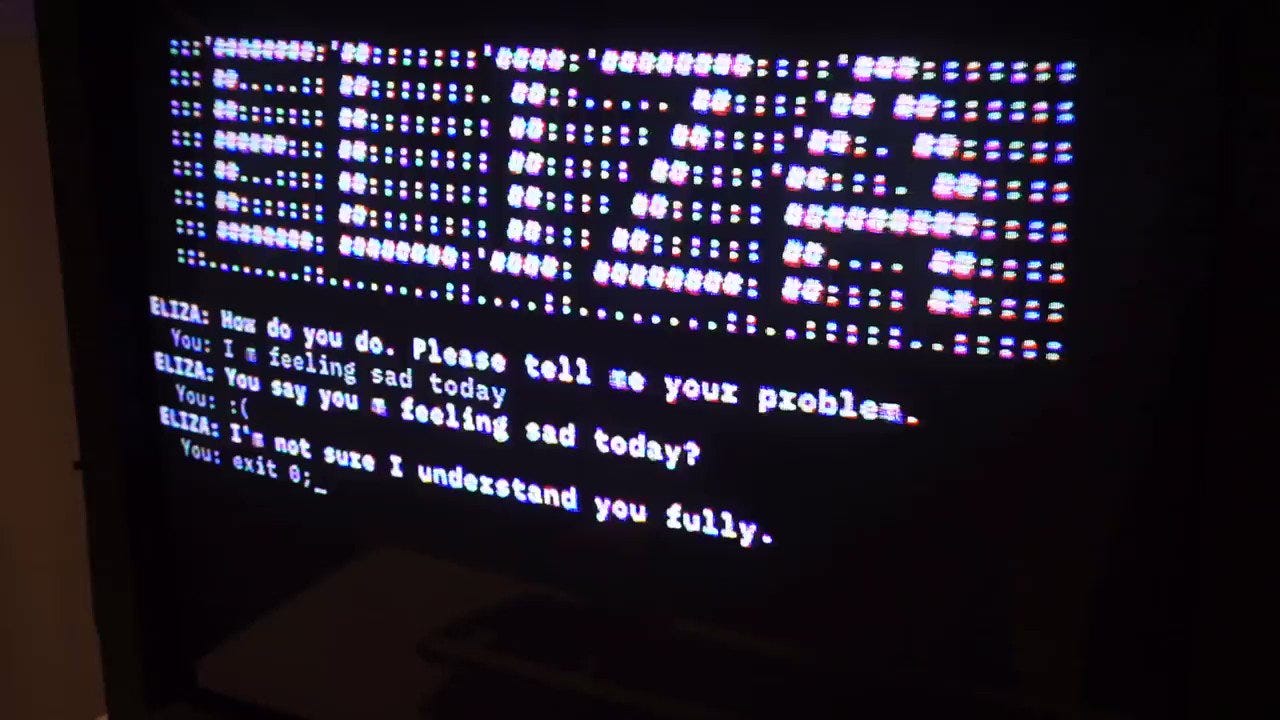
Out of the trillions of bots on the internet, who was the first? Meet ELIZA, born in 1964 at MIT, arguably the internet's patient zero. She simulated a psychotherapist using a convincing pattern-matching methodology, albeit understanding nothing that the other party was saying. Pretty harmless and kind of cute.
Today, the spirit of ELIZA has evolved into a malicious industrial-scale threat. And we’ve reached passed the tipping point.
More than 52% of all internet traffic is now non-human.
Have you ever wondered where bots live?
Some bots live on server farms. Others live in bustling cities and make their way from headless browsers into tiny emulators, living out their days spinning up thousands of other bots to do their chores. The more advanced, college-educated bots like to crack outdated apps open like eggs for their Sunday brunch and call it home for the weekend.
Bots can be very different from one another. But they all share the common trait of being controlled by an anonymous human, the vast majority of them (bots) being malicious.
And they're learning fast. Every time a platform updates its detection system, bots adapt within hours. They study how real people scroll and click, then do exactly that. Some wait between actions like patient hunters. The sophisticated ones pass CAPTCHAs better than you probably can.
The platforms spend billions trying to keep up. They watch for weird behavior patterns and suspicious IPs. They ban accounts in waves. But the next morning, those same bad actors are back with fresh accounts on different devices. Maybe they're logging in from another city now. Maybe their clicking pattern changed just slightly. The cycle repeats.
Meanwhile, real people get caught in the crossfire. Legitimate users get flagged as suspicious. Moderators spend their days investigating reports instead of building communities. Communities fracture under the weight of spam and manipulation. We're so busy chasing ghosts that we forget who we're actually trying to protect.
For too long, platforms have been forced to play a reactive game of bot chasing, banning accounts only after the damage is done. If we keep chasing the bots, we'll keep losing the internet. That's why we need to stop asking, "How do we find the bots?" and start asking the fundamental question: "How do we find the humans?"